
(This article is a case study for the upcoming publication of the 4-Layer Framework (4LF) that is designed to analyze complext narratives. With the framework, you’ll have the tools to dissect any story—from policies to personal beliefs. Stay tuned for the full method!)
The Silicon Valley Tech Bro is a cultural archetype—a modern myth built on a mix of charisma, entitlement, and savior complexes. At its core, this figure is:
- A self-proclaimed “visionary” who positions themselves as the sole architect of “world-changing” innovation.
- A rule-breaker who dismisses regulations, ethics, and labor rights as obstacles to “progress.”
- A hustle evangelist who glorifies overwork, sleep deprivation, and burnout as moral virtues.
- A savior complex carrier who claims their work will “fix” society (while often causing harm).
- A cult of personality leader who demands blind loyalty from employees, investors, and the public.
Key Traits of the Tech Bro/Genius:
| Trait | Manifestation | Example |
|---|---|---|
| Lone Genius Myth | “Only I can see the future—trust me.” | Steve Jobs’ “reality distortion field” |
| Disruption Obsession | “Rules are for losers. Break everything.” | Travis Kalanick’s Uber |
| Hustle Worship | “Sleep is for the weak. Work is life.” | Elon Musk’s “hardcore” Twitter/X |
| Savior Complex | “My tech will solve [climate change/poverty/death]!” | Mark Zuckerberg’s Metaverse |
| Philanthropy as PR | “I’ll give back (after I get mine).” | Bill Gates’ foundation |
| Cult of Personality | “Follow me, no questions asked.” | Elizabeth Holmes’ Theranos |
Origins of the Archetype: The Tech Bro isn’t new—they’re the latest iteration of a long line of mythic figures:
- 19th Century: The “robber barons” (Carnegie, Rockefeller) framed as self-made geniuses.
- 20th Century: The “corporate titans” (Jobs, Gates) sold as revolutionary visionaries.
- 21st Century: The “disruptor CEOs” (Musk, Zuck) marketed as world-changing messiahs.
This archetype is about the individuals and it’s also about the stories we’ve been sold, but also the stories we sell to each other. You need to be clear about who it is that’s selling a story, what it is about and who’s the target.
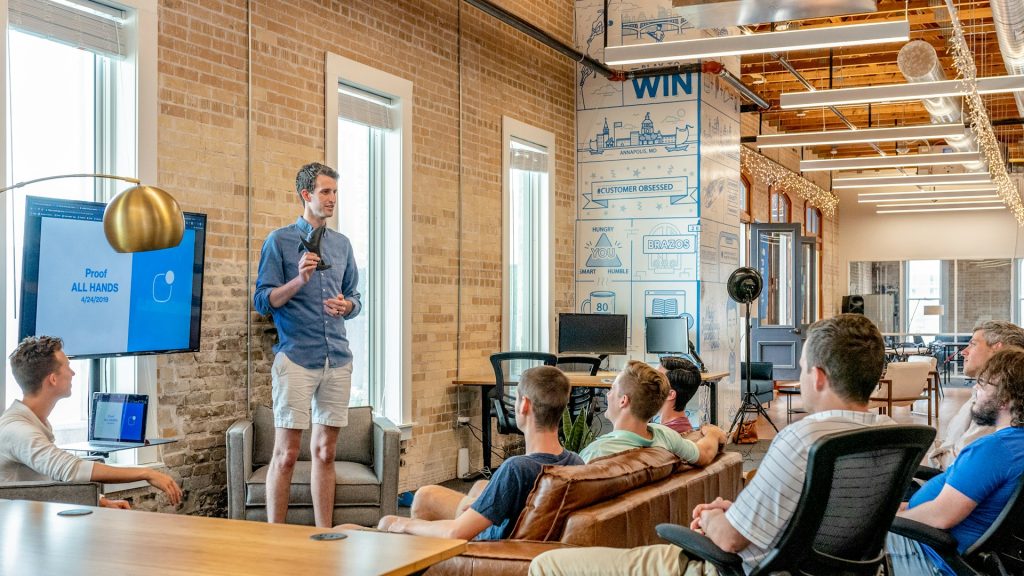
The Narratives That Enable the Tech Bro
1. The “Genius Founder” Myth
The Narrative: “Only I can see the future. Trust me.”
The Story: The Tech Bro is portrayed as a lone genius—a Steve Jobs, Elon Musk, or Elizabeth Holmes—who single-handedly revolutionizes industries. Their charisma and vision are framed as irreplaceable, while the teams, workers, and systems that enable their success are erased or minimized.
Example: Steve Jobs didn’t invent the iPhone—he marketed it as revolutionary, while the real work was done by thousands of engineers, designers, and factory workers (many in exploitative conditions at Foxconn).
The Reality:
- Erased Labor: The teams of engineers, designers, and factory workers who actually build the products are rarely credited in the “genius founder” narrative. For example, Apple’s iPhone was the result of thousands of people’s labor—from the engineers at Apple Park to the Foxconn factory workers in China (who often face exploitative conditions, including 12-hour shifts, low wages, and suicide nets). Yet, Steve Jobs is solely credited as the “visionary” behind the device, while the people who assembled it are treated as replaceable cogs in the machine.
- Privilege: Most “genius founders” come from elite backgrounds that provide access, networks, and safety nets unavailable to the average entrepreneur. Elon Musk, for instance, didn’t start from nothing—he came from a wealthy family (his father owned an emerald mine) and had access to Silicon Valley’s elite networks long before Tesla or SpaceX. Similarly, Mark Zuckerberg attended Harvard and had connections to Silicon Valley investors before Facebook took off. The “self-made genius” myth ignores these systemic advantages, framing success as purely individual merit rather than a combination of privilege, luck, and labor.
- Exploitation: The human cost of the “genius founder” narrative is often labor exploitation. Apple’s Foxconn factories have been notorious for poor working conditions, including excessive overtime, low pay, and suicide clusters among workers. Tesla’s factories have faced similar criticisms, with reports of injuries, union-busting, and racial discrimination. Meanwhile, Amazon’s warehouse workers endure grueling conditions—all while Jeff Bezos is celebrated as a visionary. The “genius” label distracts from these realities, allowing founders to take credit for success while avoiding responsibility for harm.
The 4-Layer Framework Connection:
- Layer 1 (Dig Up the Roots): The “great man” theory of history (19th century) → Silicon Valley’s “visionary CEO” cult (1980s–present).
- Layer 3 (Spot the Patterns): “Genius founder” myth in biographies, TED Talks, and tech media—always ignoring collaborative labor.
2. The “Disruption” Narrative
The Narrative: “The old ways are broken. I’m here to fix them—no rules, no limits.”
The Story: The Tech Bro positions themselves as a rebel, breaking outdated rules to “revolutionize” industries. Regulations, ethics, and established norms are framed as obstacles to progress, and disruption is sold as a moral imperative.
Example: Travis Kalanick didn’t invent ride-sharing—he exploited legal gray areas to crush competitors and exploit drivers, all while selling Uber as a “revolution” that would “liberate” transportation.
The Reality:
- Erased Regulations: Uber’s ignoring of taxi laws led to unfair competition, driver exploitation, and public safety risks—all while the company framed itself as a “liberator” of transportation. Similarly, Facebook’s disregard for privacy regulations enabled misinformation, data breaches, and election interference, while Zuckerberg positioned the platform as a “force for connection.” These regulations exist for a reason—to protect workers, consumers, and democracy—but Tech Bros dismiss them as “red tape.”
- Human Cost: The “disruption” narrative ignores the people harmed in the process. Taxi drivers lost their livelihoods when Uber flooded markets with unregulated competition, leading to bankruptcies and suicides among drivers. Facebook’s algorithmic amplification of misinformation and hate speech has been linked to genocide in Myanmar, ethnic violence in India, and polarization worldwide. Meanwhile, Theranos’ fake blood-testing tech misdiagnosed patients, putting lives at risk—all while Holmes positioned herself as a healthcare revolutionary.
- Loophole Exploitation: “Disruption” often means exploiting legal gray areas rather than innovating responsibly. Uber’s “ask for forgiveness, not permission” approach violated labor laws, while WeWork’s Adam Neumann used investor money for personal luxuries (private jets, tequila brands) under the guise of “revolutionizing work.” These shortcuts are sold as boldness, but they harm workers, investors, and the public—while the Tech Bro walks away richer.
4LF Connection:
- Layer 2 (Track Adaptations): 1980s deregulation (Reagan/Thatcher) → 1990s “cyber-libertarianism” (John Perry Barlow) → 2010s “move fast and break things.”
- Layer 3 (Spot the Patterns): “Disruption” rhetoric in pitch decks, VC funding, and regulatory battles—always ignoring harm.
3. The “Hustle Culture” Myth
The Narrative: “Sleep is for losers. Work is life. If you’re not burning out, you’re not trying hard enough.”
The Story: The Tech Bro glorifies overwork, framing 80-hour weeks, sleep deprivation, and burnout as moral virtues. “Hustle” is sold as the only path to success, and rest or work-life balance are dismissed as weakness.
Example: Elon Musk’s “hardcore” Twitter/X demands—sleeping on the factory floor, firing thousands—are theatrical performances of hustle. Meanwhile, Tesla workers face injuries, union-busting, and exploitative conditions.
The Reality:
- Erased Labor: The “hustle” narrative glorifies burnout while ignoring its human cost. WeWork’s culture demanded 15-hour days and unquestioning loyalty to Adam Neumann, leading to employee burnout and mental health crises. Amazon’s warehouse workers are monitored like machines, with unrealistic quotas that lead to injuries and turnover. Meanwhile, startup employees are pressured to “hustle” with no overtime pay, unpaid internships, or job security.
- Privilege of Choice: Musk’s “120-hour workweeks” are a performance—not a necessity—for someone with $100B net worth. For most workers, overwork isn’t a choice—it’s a survival tactic in a gig economy with no safety net. The “hustle” myth ignores this reality, framing exploitation as aspiration. Meanwhile, Tech Bros like Musk can afford to fail—their wealth and networks act as a safety net, while workers bear the brunt of layoffs and instability.
- Exploitation: “Hustle culture” is weaponized to extract labor while avoiding accountability. Tesla’s factories have faced reports of injuries, racial discrimination, and union-busting, all while Musk touts his “hardcore” work ethic. Amazon’s “FC Ambassadors” (warehouse worker influencers) are paid to glorify hustle while hiding the reality of grueling conditions. The cult of overwork benefits founders and investors, while workers pay the price—with burnout, injuries, and lost wages.
4LF Connection:
- Layer 1 (Dig Up the Roots): Protestant work ethic → 1980s Wall Street “greed is good” → 2010s “hustle porn.”
- Layer 3 (Spot the Patterns): “Hustle” glorification in LinkedIn posts, startup culture, and founder memoirs—always erasing worker exploitation.
4. The “Tech Will Save Us” Myth
The Narrative: “My invention will solve [climate change/poverty/disease/death]! Trust the tech!”
The Story: The Tech Bro positions their product or company as the solution to society’s biggest problems. Tech is framed as a force for good, and criticism is dismissed as Luddite resistance or failure to understand the vision.
Example: Mark Zuckerberg didn’t invent social connection—he monetized it, while ignoring misinformation, genocide, and mental health harms.
The Reality:
- Erased Consequences: The “tech will save us” narrative ignores unintended harm. Facebook’s algorithms amplified misinformation, hate speech, and genocide (e.g., Myanmar’s Rohingya crisis), while Zuckerberg framed the platform as a “force for connection.” Theranos’ fake blood tests misdiagnosed patients, putting lives at risk, while Holmes sold it as a healthcare revolution. Crypto’s “decentralization” promises financial freedom, but in reality, it enriches a few while leaving most users vulnerable to scams.
- Exploited Resources: The “world-changing” tech often relies on exploited labor and resources. Apple’s iPhones depend on cobalt mined in Congo (often by child labor), while Amazon’s cloud services run on data centers with massive carbon footprints. Tesla’s “green” cars rely on lithium mining that harms Indigenous communities in South America. The “save the world” narrative distracts from these costs, allowing Tech Bros to profit while others pay the price.
- Founder Enrichment: The “tech for good” myth masks profit motives. Zuckerberg’s “Metaverse” is sold as the “future of connection”, but it’s really about locking users into Meta’s ecosystem for ad revenue and data harvesting. Musk’s “saving humanity” (via Mars, AI, or Tesla) is marketing for his companies—while workers, regulators, and the public bear the risks. The “philanthropy” of Tech Bros (e.g., Gates’ foundation, Zuckerberg’s Chan Zuckerberg Initiative) is often PR to whitewash harm—like Bezos’ $10B Earth Fund while Amazon fights unions and avoids taxes.
4LF Connection:
- Layer 1 (Dig Up the Roots): 1960s counterculture (“tech as liberation”) → 1990s cyber-utopianism → 2010s “tech for good” PR.
- Layer 3 (Spot the Patterns): “Tech as savior” rhetoric in TED Talks, IPO filings, and philanthropy—always ignoring harm.
5. The “Philanthropy as PR” Myth
The Narrative: “I’m not just building a company—I’m giving back to the world!”
The Story: The Tech Bro uses philanthropy to whitewash their company’s harm and burnish their image as a benevolent visionary. “Giving back” is framed as redemption, even when the harm caused far outweighs the good done.
Example: Bill Gates didn’t invent global health—he uses philanthropy to whitewash Microsoft’s monopolistic practices and avoid taxes.
The Reality:
- Erased Harm: Facebook’s role in genocide, Amazon’s union-busting, and Google’s tax dodging are ignored when Tech Bros donate to charity or launch philanthropic initiatives. Zuckerberg’s Chan Zuckerberg Initiative funds education and science, but Facebook’s algorithms still spread misinformation and hate. Gates’ foundation works on global health, but Microsoft’s monopolistic practices harmed competitors and consumers for decades.
- Tax Avoidance: Tech Bros pay lower tax rates than teachers, thanks to loopholes and offshore accounts. Bezos, Musk, and Zuckerberg have all been criticized for tax avoidance, yet their philanthropy is celebrated as generosity. ProPublica’s “Secret IRS Files” revealed that the top 25 richest Americans (including Tech Bros) paid little to no federal income tax in some years—while public services (schools, healthcare) suffer from underfunding.
- Public Funding Replacement: “Philanthropy” often replaces public services, undermining democracy. Charter schools (funded by Tech Bros like Gates and Zuckerberg) divert resources from public education. Private space ventures (Musk’s SpaceX, Bezos’ Blue Origin) receive billions in NASA contracts, while public space programs face budget cuts. The “giving back” narrative distracts from systemic issues—like taxing the wealthy or funding public services—and lets Tech Bros control the agenda.
4LF Connection:
- Layer 2 (Track Adaptations): 19th-century robber barons (Carnegie, Rockefeller) → 20th-century “corporate social responsibility” → 21st-century “effective altruism.”
- Layer 4 (Rewrite for Justice): “What if ‘giving back’ meant paying fair wages and taxes first?”

Summary: The Tech Bro Narrative—Progress or Myth?
The Silicon Valley Tech Bro represents a cultural tension between innovation and exploitation, vision and hype, reward and responsibility. At its best, this archetype drives progress—founders like Steve Jobs and Elon Musk push boundaries, take risks, and create products that change lives. But at its worst, it justifies extreme inequality, ignores labor, avoids accountability, and sells false promises under the guise of “disruption.”
We’ve seen how genius narratives often erase the teams that make success possible, how “disruption” can harm workers and communities, how hustle culture glorifies burnout, and how “tech will save us” claims ignore unintended consequences. Yet, it’s also true that risk-taking deserves reward, founders drive innovation, and big visions can inspire real change.
The challenge isn’t to reject or glorify the Tech Bro—it’s to demand better stories: ones that reward progress without harming people, celebrate founders without erasing workers, and dream big without selling false promises.
Your Turn: Hack the Tech Bro Narrative
- Which Tech Bro narrative intrigues (or infuriates) you most? (The “genius founder”? The “disruption” myth?)
- Where have you seen this archetype in action? (Startups? Social media? Your own workplace?)
- How would you rewrite the Tech Bro story? (E.g., “What if ‘disruption’ meant fixing systems, not just breaking them?”). Comment below and let’s keep the discussion going!